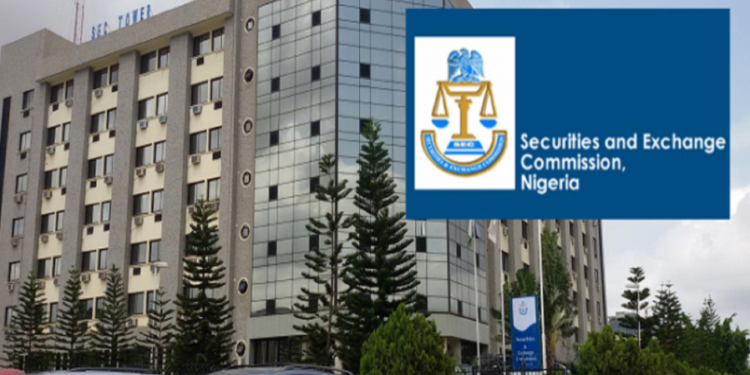
Nigeria’s Assets Under Management (AUM) have surged from approximately ₦3.2 trillion to ₦10 trillion within two years, reflecting growing investor confidence and strong momentum in the country’s capital market, according to the Director-General of the Securities and Exchange Commission (SEC), Dr. Emomotimi Agama.
Agama disclosed the figures during an event in Lagos marking Nigeria’s transition to the T+1 settlement cycle, describing the growth as one of the most significant milestones recorded in the Nigerian capital market in recent years. He attributed the increase to ongoing market reforms, improved investor participation, and enhanced market efficiency.

According to the SEC, the capital market has recorded several historic achievements. In February 2026 alone, market capitalisation expanded by ₦17.6 trillion, representing the largest single-month increase in the history of Nigeria’s stock market.
The regulator also revealed that domestic and foreign portfolio investments on the Nigerian Exchange Limited rose to ₦1.803 trillion in April 2026, representing a 3.35% month-on-month increase and a 274% year-on-year rise compared to April 2025. Total market transactions for the first four months of 2026 reached ₦5.95 trillion, more than double the level recorded during the same period in 2025.
Agama noted that the capital market’s contribution to Nigeria’s Gross Domestic Product (GDP) increased to 33% in 2025, while market capitalisation grew by about 125% from roughly ₦55 trillion in April 2024. He also highlighted a recovery in foreign investor participation, which increased from 9.9% in 2023 to 22.2% in 2025.
SEC believes the adoption of the T+1 settlement framework will further improve market liquidity, reduce transaction risks, and strengthen Nigeria’s attractiveness as an investment destination. The commission also announced plans to launch the Nigerian Capital Market Master Plan 2.0 between June and July 2026 to sustain market growth and modernization efforts.
Analysts say the rapid expansion in assets under management signals increasing confidence in regulated investment products such as mutual funds, pension-related investment vehicles, and portfolio management services. The trend could also support greater capital mobilisation for businesses and infrastructure development across the country. The development comes amid broader efforts to deepen Nigeria’s financial markets, attract foreign capital, and expand access to long-term investment opportunities capable of supporting economic growth and diversification.