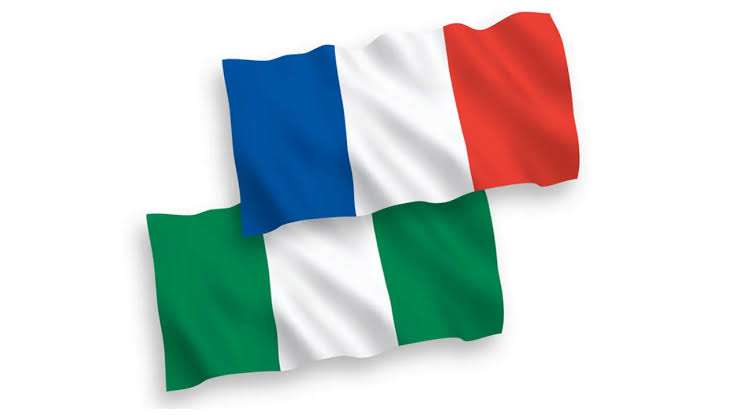
France has committed €3.3 billion (approximately $3.8 billion) to support the development of critical infrastructure projects across Nigeria, with funding targeted at the water, energy, transportation, healthcare, and education sectors. The announcement reinforces the growing economic partne rship between Nigeria and France and underscores France’s long-term commitment to supporting sustainable development and infrastructure investment in Africa’s largest economy.
The commitment was announced during high-level bilateral engagements between officials of both countries, where discussions focused on expanding development cooperation, strengthening private-sector participation, and financing projects that promote inclusive economic growth and climate resilience. The funding will be channelled through the French Development Agency (Agence Française de Développement – AFD) and other French development finance institutions to support projects aligned with Nigeria’s national development priorities.
According to French officials, the investment package will prioritise the expansion of water supply systems, improvement of electricity infrastructure, modernisation of transport networks, and enhancement of public services. The projects are expected to improve access to essential infrastructure, stimulate economic activity, and strengthen Nigeria’s capacity to meet the needs of its growing population.
A significant portion of the financing will support Nigeria’s transition towards cleaner and more sustainable energy systems. Planned investments include electricity transmission and distribution improvements, renewable energy projects, and initiatives aimed at expanding reliable power supply to households, businesses, and industrial users. The programme also aligns with global efforts to promote low-carbon development and climate resilience.
In the transport sector, the financing is expected to support the rehabilitation and construction of strategic road and urban mobility infrastructure that will improve connectivity, facilitate trade, and reduce logistics costs. Improved transportation networks are expected to enhance the movement of goods and people while boosting productivity across key sectors of the economy.
The water sector will also receive substantial investment to expand access to clean and safe drinking water, improve sanitation infrastructure, and strengthen water resource management. These projects are expected to improve public health outcomes, enhance environmental sustainability, and support socio-economic development in both urban and rural communities.

Officials from both countries noted that the financing reflects the deepening strategic relationship between Nigeria and France, particularly in areas such as infrastructure development, renewable energy, climate finance, healthcare, education, and digital innovation. They emphasised that increased cooperation would create opportunities for technology transfer, capacity building, and greater private-sector investment.
Economic analysts believe the €3.3 billion commitment could provide a significant boost to Nigeria’s infrastructure development agenda at a time when the country continues to face substantial financing needs. By improving access to reliable power, efficient transportation, and clean water, the investment is expected to enhance productivity, support industrialisation, create employment opportunities, and improve the overall business environment.
The funding also complements Nigeria’s broader efforts to attract international development finance and private investment to bridge its infrastructure deficit, estimated at hundreds of billions of dollars. Successful implementation of the projects is expected to strengthen economic competitiveness, improve living standards, and contribute to the country’s long-term sustainable development objectives.