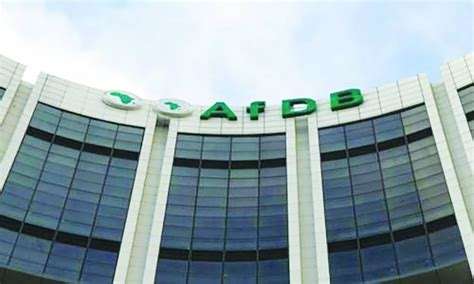
The African DevelopmentBank (AfDB) has approved a $3.9 million technical assistance project to support Nigeria and 12 other African countries in translating their National Energy Compacts into concrete electricity access outcomes, officials have announced.
The two-year project part of the Mission 300 initiative, a joint effort with the World Bank aimed at connecting 300 million Africans to electricity by 2030 will provide technical assistance to participating countries to advance implementation of their energy access plans.
AfDB’s Board of Directors granted approval for the programme, which is designed to help governments move from energy planning and policy commitments toward actual connections for households, businesses, and public institutions.
Countries set to benefit from the funding include Nigeria, Kenya, Ethiopia, Sierra Leone, Uganda, and others across the continent, where electricity access remains a major development challenge.
The Mission 300 initiative was launched to tackle the persistent energy gap in Africa, where millions of people lack access to reliable and affordable electricity. Participating governments prepare National Energy Compacts outlining how they intend to expand power access, strengthen utility performance, attract investment, and enhance regulatory frameworks.
Under the AfDB-supported project, technical support will help participating countries strengthen planning, policy execution, regulatory reforms, and stakeholder coordination critical steps to unlock progress in electrification and energy sector reform.
Development partners involved in Mission 300 include the World Bank Group, the Rockefeller Foundation, the Global Energy Alliance for People and Planet (GEAPP), and Sustainable Energy for All (SEforALL), which collectively aim to scale up access to sustainable power across the continent by 2030. The AfDB’s $3.9 million project under Mission 300 marks a continued commitment to expanding electricity access, driving economic growth, and improving living standards across Africa’s underserved communities.