
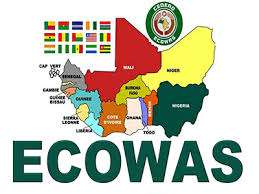
The Economic Community of West African States (ECOWAS) has intensified efforts to strengthen cross-border cooperation and improve regional trade integration as part of broader measures to accelerate economic growth across West Africa.
The renewed commitment was highlighted during a regional engagement involving trade and border management stakeholders, where officials emphasized the need for stronger collaboration among member states to remove barriers hindering the movement of goods, services, and people within the region.
According to ECOWAS officials, the initiative is aimed at improving trade facilitation, enhancing customs cooperation, reducing border delays, and promoting seamless regional commerce under the ECOWAS Trade Liberalisation Scheme (ETLS).
Stakeholders noted that inefficient border procedures, poor infrastructure connectivity, inconsistent regulations, and security concerns continue to limit intra-African trade despite the region’s significant economic potential. The latest push is expected to improve coordination between customs authorities, border agencies, and private sector operators across member countries.

The regional bloc also stressed the importance of harmonising policies and adopting digital trade facilitation systems capable of improving transparency, reducing transaction costs, and speeding up cargo clearance processes at border corridors.
Officials said deeper regional integration is essential for unlocking the full benefits of the African Continental Free Trade Area (AfCFTA), particularly for small and medium-sized enterprises (SMEs) seeking access to larger regional markets.
The initiative is also expected to support regional value chains in sectors such as agriculture, manufacturing, logistics, and energy by improving connectivity between West African economies. Analysts say better border cooperation could significantly reduce the cost of doing business and improve competitiveness for regional exporters.
Industry experts further noted that enhanced regional trade frameworks could help reduce over dependence on imports from outside Africa while encouraging industrialisation and job creation within the sub-region.
The development comes amid increasing efforts by African governments and regional institutions to strengthen economic resilience, diversify exports, and improve trade infrastructure in line with continental integration goals.