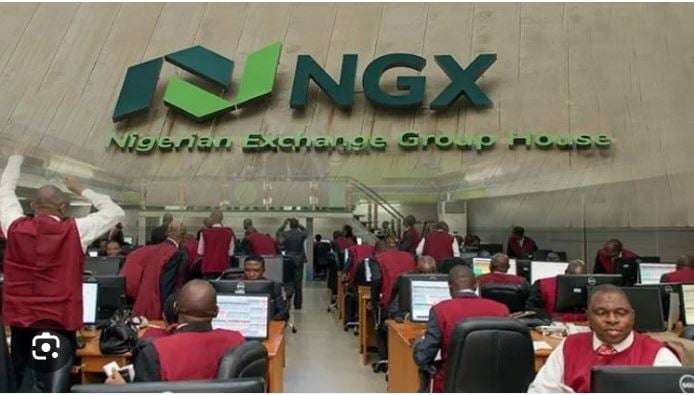
Nigeria’s equities market has emerged as the world’s best-performing stock market, overtaking South Korea after recording the highest year-to-date returns among major global exchanges. The strong performance reflects renewed investor confidence, improved corporate earnings, sustained foreign investor interest, and favourable macroeconomic reforms that have boosted activity on the Nigerian Exchange (NGX).
According to market data, the Nigerian stock market delivered stronger returns than several leading global markets during the review period, driven by gains in banking, consumer goods, telecommunications, and industrial stocks. The rally has significantly increased market capitalisation and reinforced Nigeria’s position as one of Africa’s most attractive equity investment destinations.
Analysts attribute the market’s impressive performance to a combination of economic reforms introduced by the Federal Government, including foreign exchange liberalisation, tighter monetary policy, and efforts to improve fiscal stability. These measures have helped restore investor confidence, encouraged capital inflows, and improved expectations regarding corporate profitability.
The banking sector has remained one of the primary drivers of the market rally, supported by stronger earnings, ongoing recapitalisation programmes, and increased investor demand for financial stocks. Consumer goods, cement manufacturers, telecommunications companies, and other blue-chip firms have also posted robust share price gains, contributing to the overall performance of the market.
The improved outlook has attracted greater participation from both domestic and foreign investors, with portfolio managers increasingly viewing Nigerian equities as offering attractive valuations relative to other emerging and frontier markets. Rising corporate profitability, resilient dividend payouts, and positive earnings expectations have further strengthened market sentiment.
Market experts note that Nigeria’s emergence as the world’s top-performing stock market highlights growing confidence in the country’s economic recovery and reform agenda. However, they caution that sustaining the momentum will depend on continued macroeconomic stability, effective implementation of reforms, exchange rate stability, and improved investor confidence.

The strong performance is also expected to support capital raising activities, as higher equity valuations make it easier for companies to access long-term financing through the capital market. This could benefit sectors such as banking, manufacturing, infrastructure, telecommunications, and energy that require significant investment to support future growth.
Industry observers believe the market’s recent gains reinforce the growing importance of Nigeria’s capital market in mobilising investment for economic development. If current reforms are sustained, the Nigerian Exchange could continue to attract increased foreign portfolio investment while providing companies with greater access to capital for expansion.